
Case Study: nimble
Design Challenge:Build a Brand, Fast
ProjectBrief:
Establish a brand identitydesign and manufacture
an entire line of tech products
using ecofriendly methods
within a limited timeframe
ProjectHighlights
Product Design
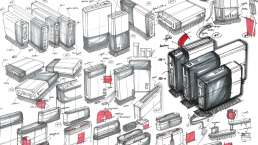
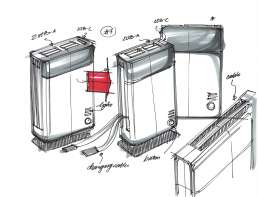
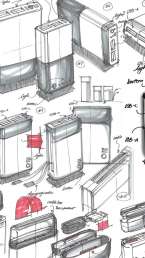
A tight schedule doesn’t have to be a rushed schedule. Our team dedicated appropriate time to each step of the new product development process to design an entire product ecosystem that represents nimbles brand mission and sets up a style that will be the starting point for future product additions. We sketched up multiple design concepts to define the visual direction of their products. It’s important to set an upper limit on revisions to ensure that every revision is deliberate and that we can proceed to the next step. During this step, we also define which materials and manufacturing processes we intend to use.
Green Sourcing
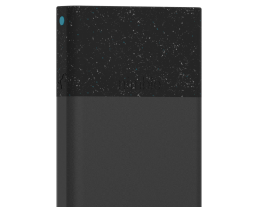
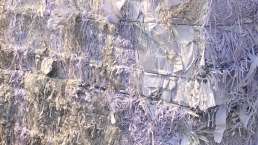
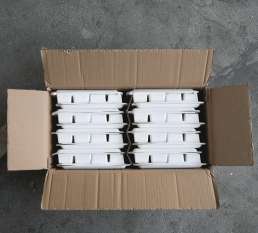
Once we had defined the aesthetics, the materials, and the manufacturing processes in the concept design phase, we faced the challenge of finding ethical and high quality green material sources. We used bioplastics and aluminum for the product and pulp paper for the packaging.
Manufacturing
With careful planning, and by sticking to the schedule, our team was able to manufacture the nimble line of products on time. There are a million hoops to jump through to make a project like this work, and our team is proud of our ability to do so.
MeticulousPlanning
We plan every moment from the day the project begins to the delivery of the final product. Every project follows a unique master schedule. Our top down approach to planning involves the subdivision of the overall goal into smaller more manageable phases. Years of experience has prepared our team to expect the unexpected and to anticipate and factor in contingencies.
More Case Studies
Speaking of building a brand fast, you might be interested in learning more about the techniques involved in speeding up a brand's growth from this Wikipedia article on Brand Management. Additionally, when we talk about green sourcing and bioplastics, it would be beneficial to understand more about them. Read more about the importance of green sourcing and its impact on the environment from this Wikipedia article on Green Purchasing. Also, gain a deeper understanding about bioplastics from this Wikipedia article on Bioplastic. Lastly, our use of aluminum in products opens a discussion about its characteristics and applications, which you may explore further in this Wikipedia article on Aluminium.

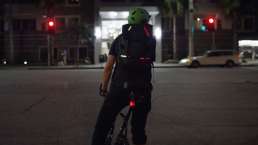
Case Study: Lumenus Smart Backpacks & Apparel
LUMENUS
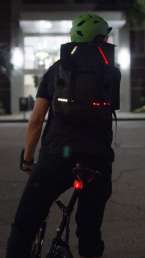
In 2016 our team worked with Lumenus to design and prototype a set of smartphone connected biking gear such as apparel and a backpack.
Smart Backpack Case Study
We’re always excited to work with entrepreneurs and brands that wish to explore new technology. Our research and development methodology allows us to responsibly venture into uncharted and unreleased tech. In practical terms, with enough notice we’ve been able to have phone cases designed and in production ahead of the phones release date. In industries like this, having a product on the market at release can be vital.
To learn more about the Lumenus project and how some of the tech that went in to it, click the button below to check out the Lumenus case study PDF or give them a google and check out all the press they got. If you’re interested in a consultation about design and engineering, fill out our Product Design Request form and we’ll get back to you to schedule a time.
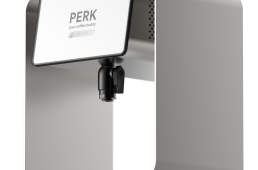
Case Study: Perk
Design Challenge:Third Wave Coffee
at the Press of a Button
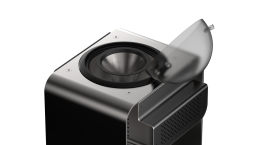
If you know coffee you knowthat's a big deal
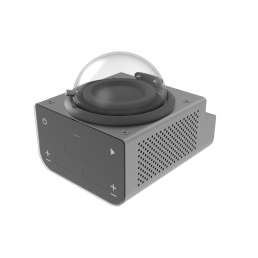
Make It:Easy to Clean
Easy to Assemble
Easy to use
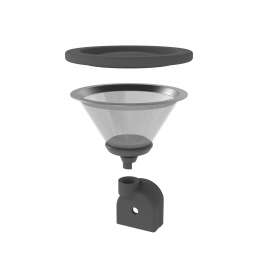
SO WE DID THAT
The design raised $110,000 from 495 backers on Kickstarter and received widespread acclaim for it’s elegant minimalist design.
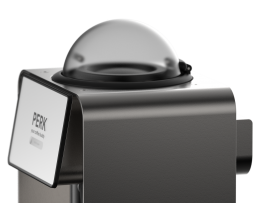
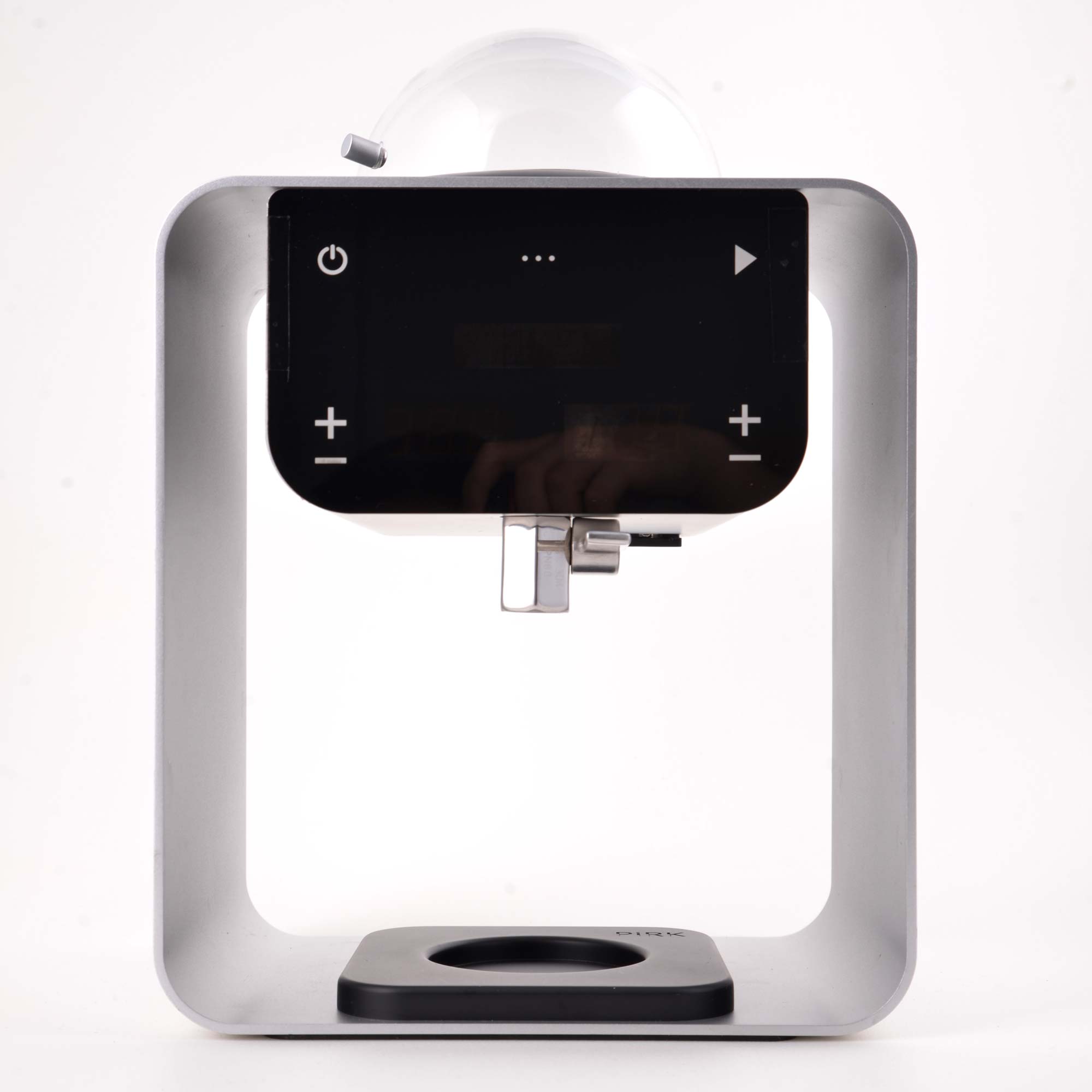
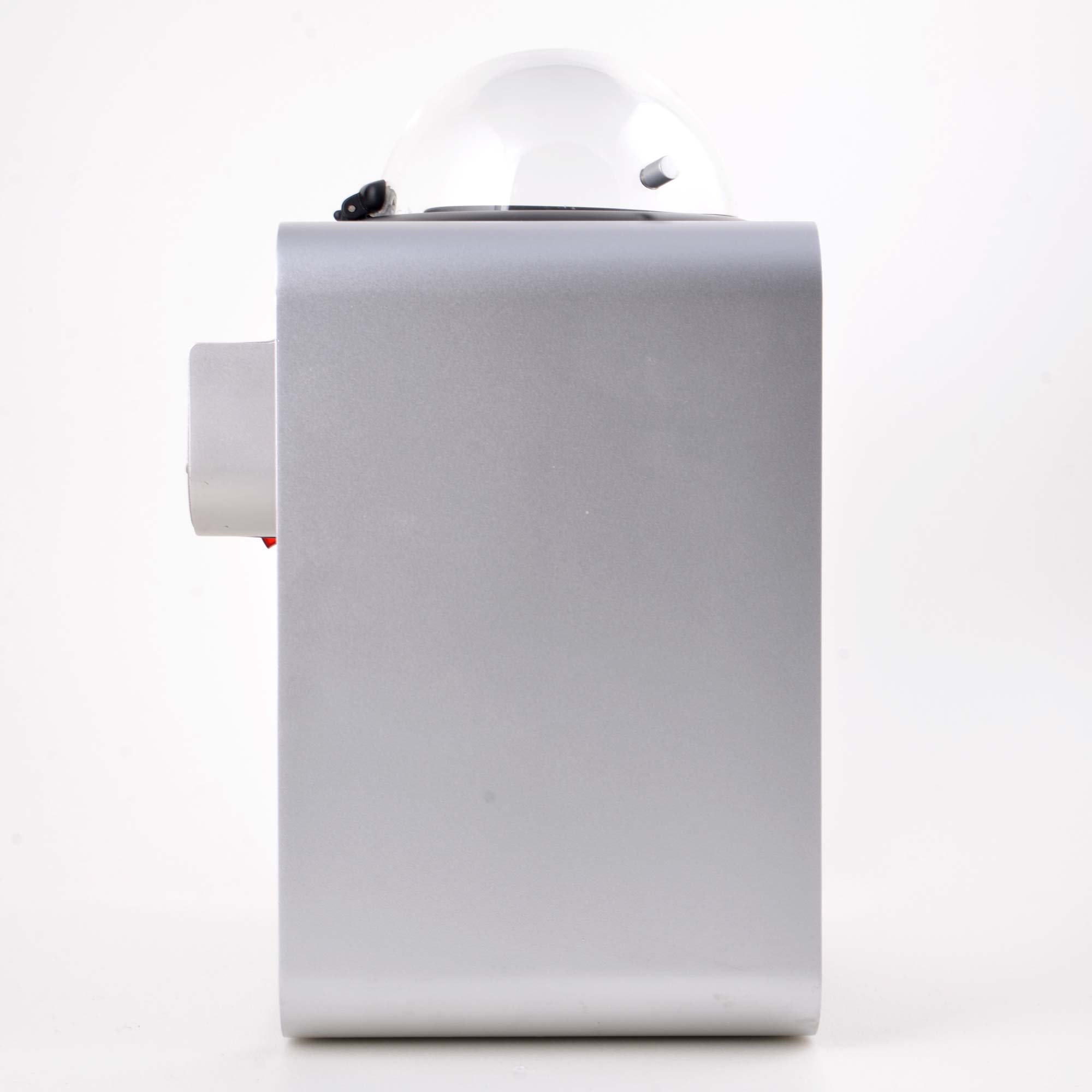
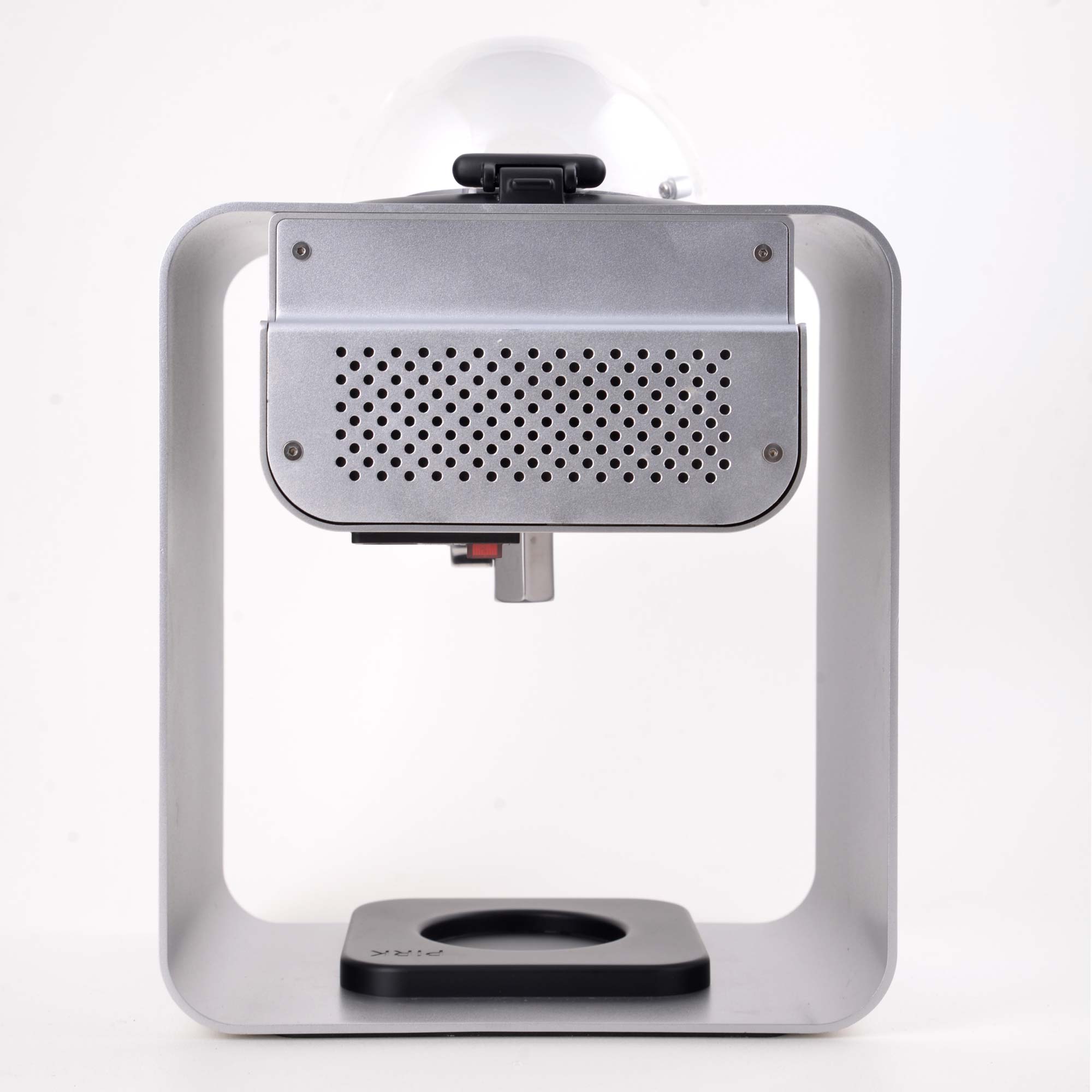
FINAL PROTOTYPE
Our team utilized various techniques, including 3D printing, to make a photo-ready non-functional prototype for use in press and for the Kickstarter video. It’s so important for potential investors or customers to see a finalized mock up of your product if you’re hoping to gain some exposure and excitement around it.
Speaking of product prototyping, you might be interested in the Rapid Prototyping article on Wikipedia which provides in-depth information on how prototypes for new products are created quickly. Since the product in our case study was a coffee machine, the Espresso Machine article could be useful, providing you a comprehensive look into these machines' design and functionality. As the final product was launched using a Kickstarter campaign, you may also find the Kickstarter article intriguing, offering insights into crowdfunding a new product. Lastly, given the mention of the use of 3D printing in this case study, you might find the 3D Printing Wikipedia entry fascinating to understand its potential in prototyping and manufacturing.
Case Study: Luge
Proof of Concept
Proof of Concept
Proof of Concept is “evidence, typically derived from an experiment or pilot project, which demonstrates that a design concept, business proposal, etc., is feasible.”
Our client came to us to seek proof-of-concept for his idea. For this project we explored the design & engineering feasibility and produced a functional prototype.
Our design goals for the project:
- The beer cooler has to be handheld (portable size).
- The user will pour the liquid (beer) in at room temperature and get cold liquid (beer) out in a short period of time (ideally under a minute).
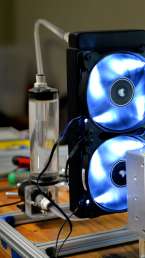
- Use Peltier Plates to achieve change in liquid temperature.
We delivered detailed reports and a functional prototype.
Design
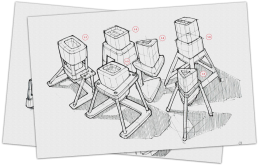
We examined current design trends for related products and explored various iterations of form. Our client received detailed exploration, ideation, & form study reports as well as multiple rounds of concept design sketches. Here’s a sketch from the first round:
Engineering
Engineering
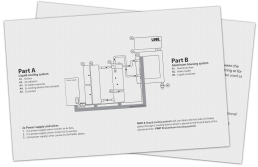
We examined modern cooling techniques and technology to assess feasibility within the restraints of the design requirements. We explored multiple possible engineering options. Our client received reports on our research as well as engineering diagrams.
Prototype
Prototype
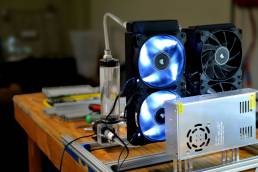
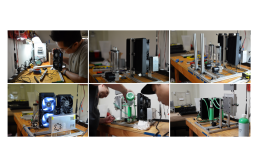
After extensive research and development, we built a prototype using the most advanced cooling methods. Ultimately, we determined that with current technological limitations, the 1 minute cooling mark & portable size was not feasible. However, adequate cooling could be achieved with 7 minutes device preparation time and 10 minutes of cooling. While these may not have been the desired results, the feasibility study determined what will and will not work with currently available technology.
Speaking of the sport of luge, you might be interested in exploring its rich history and detailed exploration by heading over to this comprehensive Wikipedia article about Luge. In this case study, we discussed some technological limitations in manufacturing advanced cooling methods. If technological limitations intrigue you, we recommend checking out this Wikipedia article on Technological Convergence, to understand how technological parameters constrain innovation sometimes. Also, the process of ideation piqued your interest? Great, delve deeper into this facet of concept designing by visiting this insightful Wikipedia article about Idea Generation. Learn and enjoy!
Case Study: HIIT Bottle
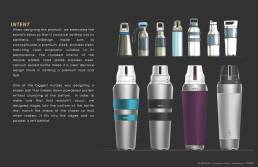
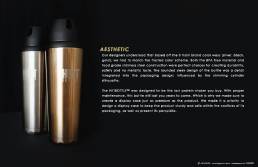
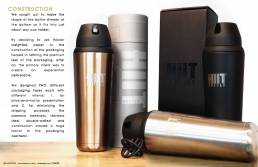
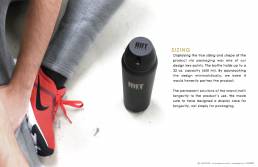
Speaking of high-intensity fitness and hydration measures in workouts, you might be interested in learning more about High Intensity Interval Training here at the HIIT Wikipedia article. Besides, understanding the importance of hydration, not just during workouts but, in general, is often underestimated. You can delve into how to stay optimally hydrated on the Drinking Water Wikipedia article . Lastly, if you'd like to understand the science behind such workouts, you can explore the Exercise Physiology Wikipedia article.
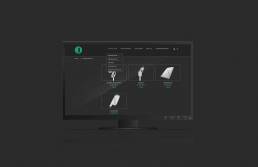
Case Study: Jade J Website
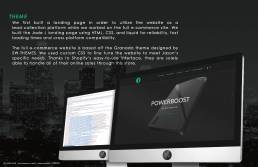
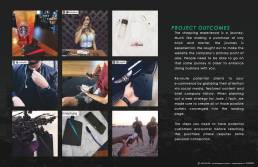
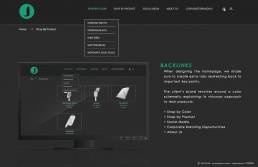
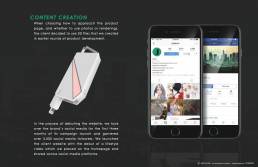
While exploring the astounding work carried out in the "Case Study: Jade J Website", you might also be interested in digging a bit deeper into the realm of web design and development. Speaking of "Web Design", you might want to check out this comprehensive Wikipedia article that charts the historical evolution and current trends in this fascinating field.
Another interesting element of the case study is its focus on 'Visual Composition'. Curious about its principles and significance in digital platform layouts? Do take a look at Visual Design Elements and Principles on Wikipedia.
Lastly, for those more technically inclined visitors, an exploration of the intricacies of "CSS", a cornerstone of website customization and themes, might be appealing. Here's a link to the Wikipedia article to get you started. Enjoy your reading journey in the captivating universe of website creation!
Case Study: Google Bro
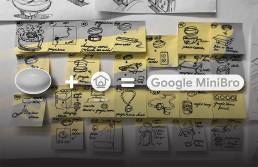
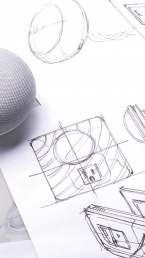
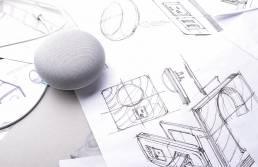
With every blockbuster product released, there is the opportunity for third party peripherals. In this case study our team explores design concepts for a Google Home Mini wall mount. This is a mock project to demonstrate our ideation process.
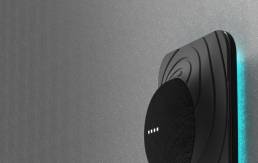
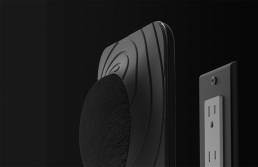
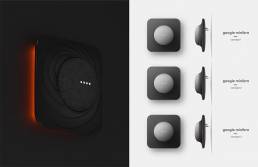
The goal of this design study is to make a wall mount for the Google Home mini that is flush with the wall and aesthetically pleasing while improving acoustical resonance for improved audio quality and range for listening to music.
Process
Brainstorm > Sketch >
Review > Refine >
Model > Render
Deliverables
-Concept Sketches-3D CAD Model
-High Quality Renderings
Blog
Speaking of case studies and tech giants, you might find interesting reads on Wikipedia. Explore the journey and development of the tech behemoth with an insightful Google Wikipedia article. Also, uncover the process of brainstorming, a fundamental tool in strategic decision-making, by visiting the Brainstorming Wikipedia article. To better understand what 'Case Study' entails and its significance, head over to the Case Study Wikipedia article. And if you're curious about overlay aplha, shift X, shift Y, and other dimensions associated with visual content, the CSS Wikipedia entry stands as a valuable resource to learn.